_edited.png)
How Seal Failures Start—and How to Stop Them
Seal failure doesn’t happen overnight—it starts small. Catch it early.
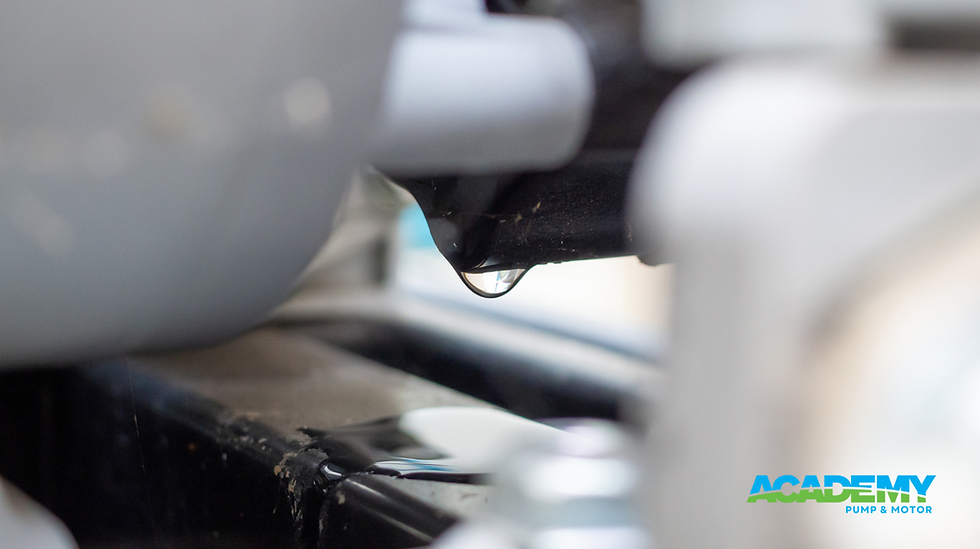
When a mechanical seal fails, it’s rarely sudden. In most cases, the pump has been giving warnings for days, weeks, or even months. Small changes—slight drips, minor heat increases, subtle vibrations—can escalate into leaks, bearing damage, and full system shutdowns if left unaddressed.
Understanding why seals fail and how to detect early wear is the key to preventing costly downtime and extending the life of your pump systems.
Why Mechanical Seals Fail
Mechanical seals are designed to withstand demanding industrial conditions, but several factors can weaken them over time. The most common causes include:
1. Dry Running
A seal relies on fluid for lubrication. When a pump runs without adequate liquid:
Friction increases
Heat builds quickly
Seal faces warp or crack
Even a short dry-run event can cause long-term damage.
2. Misalignment or Vibration
Excessive vibration from worn bearings, loose components, or misaligned pump bases can:
Create uneven wear on seal faces
Cause premature leakage
Lead to full mechanical failure
A stable, well-aligned system protects the seal from unnecessary stress.
3. Contamination
Slurry, debris, sand, or chemical contaminants inside the process fluid can scratch, score, or erode seal surfaces.Common sources include:
Poor filtration
Damaged strainers
Incorrect seal material for the application
Once contaminants enter the seal chamber, failure is only a matter of time.
4. Thermal Shock
Sudden temperature changes—cold water entering a hot pump or vice versa—can warp or crack seal faces.This often occurs during:
Rapid start-ups
Hot-cold cycling
Emergency flushing
Proper warm-up and shutdown procedures reduce this risk.
5. Improper Installation
Even the best seal won’t perform well if installed incorrectly. Typical mistakes include:
Incorrect compression settings
Over-tightening
Misplaced O-rings
Inadequate lubrication
A perfect installation is your first line of defense.
Early Warning Signs of Seal Wear
Detecting a seal issue early is the easiest way to prevent a major failure.
1. Small Drips or Moisture Around the Seal Area
A minor weep is one of the earliest indicators. It may not look serious, but it signals that the seal faces are starting to wear.
2. Temperature Increase at the Seal Chamber
Rising heat is often the first internal sign that lubrication is failing or friction is increasing.
3. Changes in Pump Noise or Vibration
If the pump suddenly sounds “off,” the seal may be dragging, warping, or experiencing uneven contact.
4. Pressure Fluctuations
Seal wear can cause inconsistent pressure readings—especially noticeable in critical systems.
5. Visible Debris or Product in the Seal Flush Line
Particles indicate face wear, product infiltration, or compatibility issues.
How to Prevent Seal Failures
Seal longevity starts with the right setup and routine maintenance. Here’s how to prevent issues before they start.
Choose the Right Seal for the Job
Consider:
Chemical compatibility
Temperature requirements
Pressure conditions
Solids content
One incorrect seal material can shorten equipment life dramatically.
Install with Care
Best practices include:
Clean, debris-free work area
Proper lubrication
Accurate alignment
Verified compression settings
Inspection of all O-rings and elastomers
An experienced technician can make the difference between months and years of seal life.
Use Proper Operating Procedures
Avoid:
Rapid temperature changes
Running pumps dry
Overspeeding
Follow a controlled startup sequence and verify flow before full operation.
Maintain Clean Fluid Conditions
Regularly check:
Filters
Strainers
Oil condition
Seal flush lines
Contamination is one of the fastest ways to destroy a seal.
Schedule Routine Inspections
A seal that’s inspected regularly is far less likely to fail unexpectedly. Monitoring heat, vibration, and leakage can extend pump life and reduce emergency callouts.
Stop Leaks Before They Start
Seal failures begin with small, easy-to-miss warning signs—but when ignored, they become expensive problems fast. By understanding the root causes and paying attention to early indicators, you can protect your pumps, prevent unplanned downtime, and keep your operations running efficiently.
At Academy Pump and Motor, we specialize in pump seal inspection, repair, replacement, and preventative maintenance for industrial and residential applications across Western Canada.
Stop leaks before they start. Book your inspection today at academypump.ca#PumpSeals #Reliability #WaterIndustry


Comments