_edited.png)
How to Extend the Life of Submersible Pumps
Submersible pumps are designed to work in tough environments — underwater, under pressure, and often around the clock. But even the most reliable pump won’t last forever without proper care.
The good news? With consistent maintenance, regular inspections, and proper handling, you can significantly extend the life of your submersible pump, reduce downtime, and avoid costly emergency repairs.
Here’s what actually makes a difference.
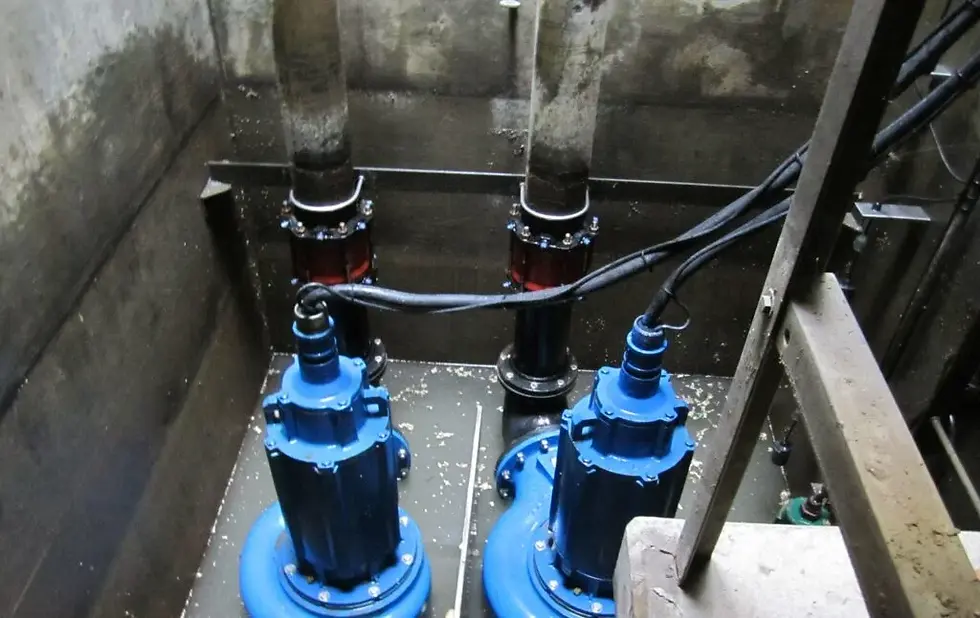
Why Submersible Pump Maintenance Matters
Submersible pumps play a critical role in groundwater management, water transfer, dewatering, and industrial applications. When they fail, the impact isn’t small — project delays, flooding risks, equipment damage, and unexpected costs add up fast.
Most premature failures come down to:
Poor maintenance habits
Missed inspection windows
Improper handling during installation or removal
All of which are preventable.
Recommended Maintenance Intervals
A consistent inspection schedule is the foundation of pump longevity.
General guidelines:
Visual inspection: Monthly
Performance check: Every 3–6 months
Electrical testing: Annually (or more often in heavy-use scenarios)
Full service inspection: As recommended by the manufacturer or based on operating conditions
High-sediment water, continuous operation, or aggressive environments may require more frequent checks.
Key Inspection Steps That Protect Pump Life
When inspecting a submersible pump, focus on early signs of wear — they almost always show up before failure.
What to check:
Power cables: Look for abrasion, cracking, or heat damage
Seals and O-rings: Early seal degradation can lead to motor failure
Intake screen: Blockages restrict flow and force the motor to work harder
Pump alignment: Misalignment creates vibration and internal wear
Operating temperatures: Overheating often signals flow restrictions or electrical issues
If something feels “off,” it usually is.
Proper Handling Makes a Bigger Difference Than You Think
Many pumps are damaged before they ever start running due to poor handling practices.
Best practices:
Never lift a pump by the power cable
Use proper rigging and lifting points
Avoid dragging the pump across rough surfaces
Keep pumps clean before storage or reinstallation
Store in a dry, controlled environment when not in use
Small shortcuts during installation or removal often lead to big repair bills later.
Monitor Performance — Don’t Guess
Tracking performance over time helps spot problems early.
Pay attention to:
Drop in flow rate
Increased power draw
Unusual noise or vibration
Frequent breaker trips
These are not “wait and see” issues. They’re signals.
When to Call a Professional
Some maintenance tasks are straightforward. Others aren’t.
You should call a professional when:
Electrical testing is required
Seals or bearings need replacement
You suspect internal motor damage
Performance issues persist after basic maintenance
Proactive service almost always costs less than reactive repair.
The Bottom Line
Submersible pumps are built to work hard — but they aren’t maintenance-free.
Routine inspections, proper handling, and early intervention can add years to a pump’s service life and protect your operation from avoidable downtime.
Treat them right, and they’ll return the favor.
Submersible pumps work hard. Treat them right — make them last. If you need inspections, repairs, or expert advice, contact Academy Pump & Motor today to keep your systems running reliably.


Comments