_edited.png)
Understanding Pump and Motor Specifications

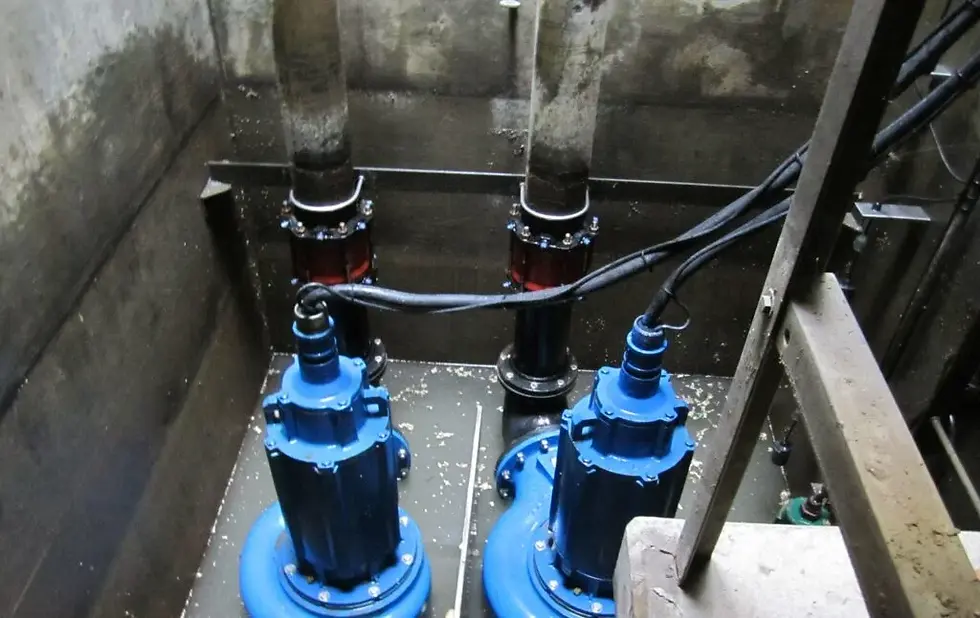
When it comes to selecting a pump or motor for your specific needs, understanding the specifications is crucial. At Academy Pump Ltd., we aim to provide you with a comprehensive understanding of pump and motor specifications to help you make informed decisions. Types of Pumps and Motors First, let's explore the different types of pumps and motors available in the market. Centrifugal pumps are commonly used in various industries, including water management, HVAC, and oil and gas. They are known for their high flow rates and are suitable for applications that require moving large volumes of fluid. Submersible pumps, on the other hand, are designed to be submerged in the fluid they are pumping. They are commonly used in applications such as wastewater management, irrigation, and deep well pumping. Submersible pumps are known for their efficiency and ability to handle solids. When it comes to electric motors, there are various types, including induction motors, synchronous motors, and direct current (DC) motors. Each type has its own advantages and applications. Induction motors are the most commonly used and are known for their reliability and low maintenance requirements. Key Specifications to Consider Now, let's delve into the key specifications that you should pay attention to when selecting a pump or motor. 1. Flow Rate: This specification refers to the volume of fluid that the pump can move per unit of time. It is typically measured in gallons per minute (GPM) or liters per second (L/s). Understanding your required flow rate is essential to ensure that the pump can meet your needs. 2. Head Pressure: Head pressure refers to the height or pressure that the pump can lift the fluid to. It is typically measured in feet or meters. Consider the vertical distance or pressure requirements of your application to select a pump that can handle the required head pressure. 3. Horsepower: Horsepower (HP) is a measure of the power output of the motor. It determines the motor's ability to drive the pump and is directly related to the pump's performance. Consider the horsepower requirements of your application to ensure that the motor can provide sufficient power. 4. Efficiency: Efficiency refers to the ability of the pump or motor to convert input power into useful work. A higher efficiency rating means that the equipment consumes less energy and operates more cost-effectively. Look for pumps and motors with high efficiency ratings to save on energy costs. 5. Voltage Requirements: Ensure that the pump or motor you select matches the voltage requirements of your electrical system. Using a pump or motor with the wrong voltage can lead to performance issues and potential damage. Calculating the Required Specifications To calculate the required specifications for your specific application, you need to consider factors such as the desired flow rate, head pressure, and system requirements. Academy Pump Ltd. can assist you in calculating these specifications to ensure optimal performance. Additional Factors to Consider In addition to the key specifications, it's important to consider factors such as maintenance requirements, durability, and energy efficiency. Regular maintenance and proper care can prolong the lifespan of your pump or motor. Choosing durable equipment can minimize the need for frequent repairs or replacements. Energy-efficient pumps and motors can help reduce operating costs and environmental impact. Tips and Best Practices Throughout the blog post, we will provide practical examples and real-life scenarios to help you better understand the concepts. We will also share tips and best practices for maintaining and troubleshooting pumps and motors. By following these tips, you can ensure the longevity and optimal performance of your equipment. Stay tuned for more informative content from Academy Pump Ltd. as we continue to provide educational resources and top-notch services in the pump and motor sales and service industry.


Comments